Why your marketing materials feel
disconnected
Published
October 22, 2026
Author
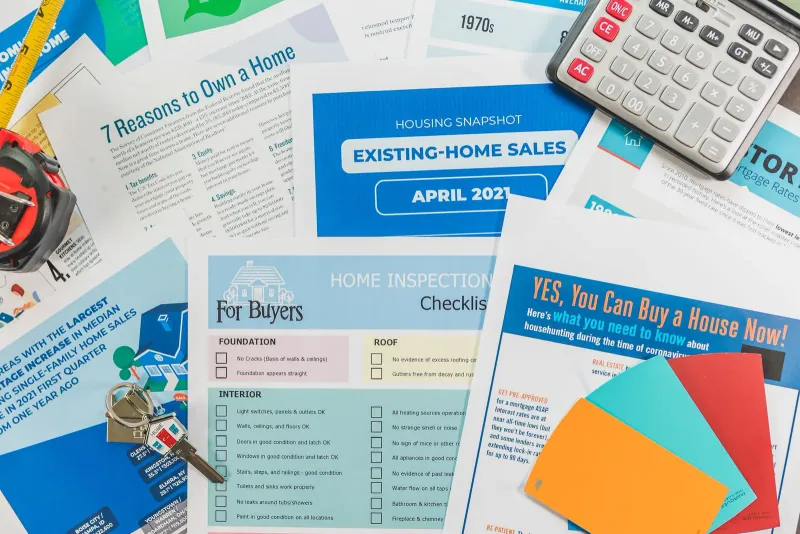
Picture a busy season. A spring offer goes out by email. Social posts keep rolling along. A partner launches a campaign you helped plan, but didn't write. Each piece gets approved, and each one looks professional.
Then one evening you line them all up side by side. The email calls the offer one thing. The posts call it something else. The partner page promises a perk that neither of them mentions. It's as if three slightly different businesses wrote them.
In my work, I find this is rarely about design skill. It usually means each piece was made on its own, from a slightly different version of the story, with nobody joining the dots.
Give each channel its own job
Every channel does something different, and that's healthy. A social post catches a moment of attention. A website lets people explore at their own pace. An email reminds or nudges. A proposal helps someone make a decision.
Trouble starts when those jobs are never decided. If every channel tries to say everything, the message gets repeated at the wrong depth. If no channel has a clear role, nobody knows what a piece should carry and what it should pass along to the next one. It helps to decide what each channel is responsible for, and where it should point people next.
Agree the core message first
I've found that a short, shared brief does more good than a folder full of past examples. It doesn't need to be fancy. A single page can hold:
- who the campaign is for,
- the main offer, with its exact name,
- the few messages that must never change,
- current facts like dates and service names,
- the one action each piece should invite.
Write it in plain words, so that a designer, a salesperson and an outside partner could each read it and make work that fits together.
Then decide what's free to change
Once the core is set, say clearly what each campaign is allowed to change. One campaign might focus on a different benefit, season or audience. Meanwhile, the name of the offer, the promises behind it and the tone stay the same.
Without that line, every new campaign quietly rewrites your business a little. With it, your team has room to be creative without pulling the story apart.
Keep things joined up over time
It's easy to think only about the channels running today. But campaigns overlap, and old material has a way of hanging around. An offer ends, but its wording lives on in a template. A service gets renamed, but older posts still use the old name. Two promotions run at once and contradict each other.
A few simple habits help a lot. Keep one current place for approved names, claims and files. Use a simple calendar so offers don't clash. Retire material once its moment has passed. And ask one person to check new pieces against the brief before they go out. A short look at launch and another when a campaign ends is usually enough to catch most of the drift.
Let your visual style flex
Shared type, colour, image style and a consistent sense of what matters most on a page can tie your materials together without forcing them into the same layout. A social graphic, an email and a landing page can look like family while each one is shaped for its own space.
When several pieces need to work together for a launch, each one still needs its own design care. I cover that in what to have ready before a product launch. This post is about the layer above that: agreeing what the pieces say, to whom, and in what order.
Start with what's running now
You don't need to fix everything at once. I usually suggest starting with the campaign that's live today and the two channels that get the most attention from your customers.
Line those pieces up side by side. Agree the core message, fix the contradictions you find, and save that brief for the next campaign. Each time you do this, the next campaign gets a little easier, because the hard decisions are already made.
Making your materials feel like one business
The best marketing is something people can move through without having to figure out your business again at every step. That comes from a few decisions made before anything is designed, followed by messages and layouts shaped for each place they appear.
If you'd like help building materials that feel connected across the formats you actually use, from proposals to presentations to email, my communication materials work is built for exactly that. For a quick sense of how consistent your brand feels right now, the free Brand Audit only takes a few minutes.
The calm takeaway: decide the story once, write it down, and let every channel tell its own part of it.
Frequently asked questions
- Why does my marketing feel inconsistent?
- Usually because each piece was made separately, from different versions of the message, without one shared brief to work from.
- What is a campaign brief?
- A short, plain document that sets out the audience, the offer, the messages that must stay the same, the key facts and the action each piece should invite.
- Does consistent marketing mean every piece should look the same?
- No. Shared colours, type and tone tie materials together, while each layout can be shaped for its own channel.