Why fixed templates break when
your content changes
Templates work when the content stays predictable. Once the information starts changing in length, structure, or complexity, the problem is usually bigger than the template.
Published
September 3, 2026
Author
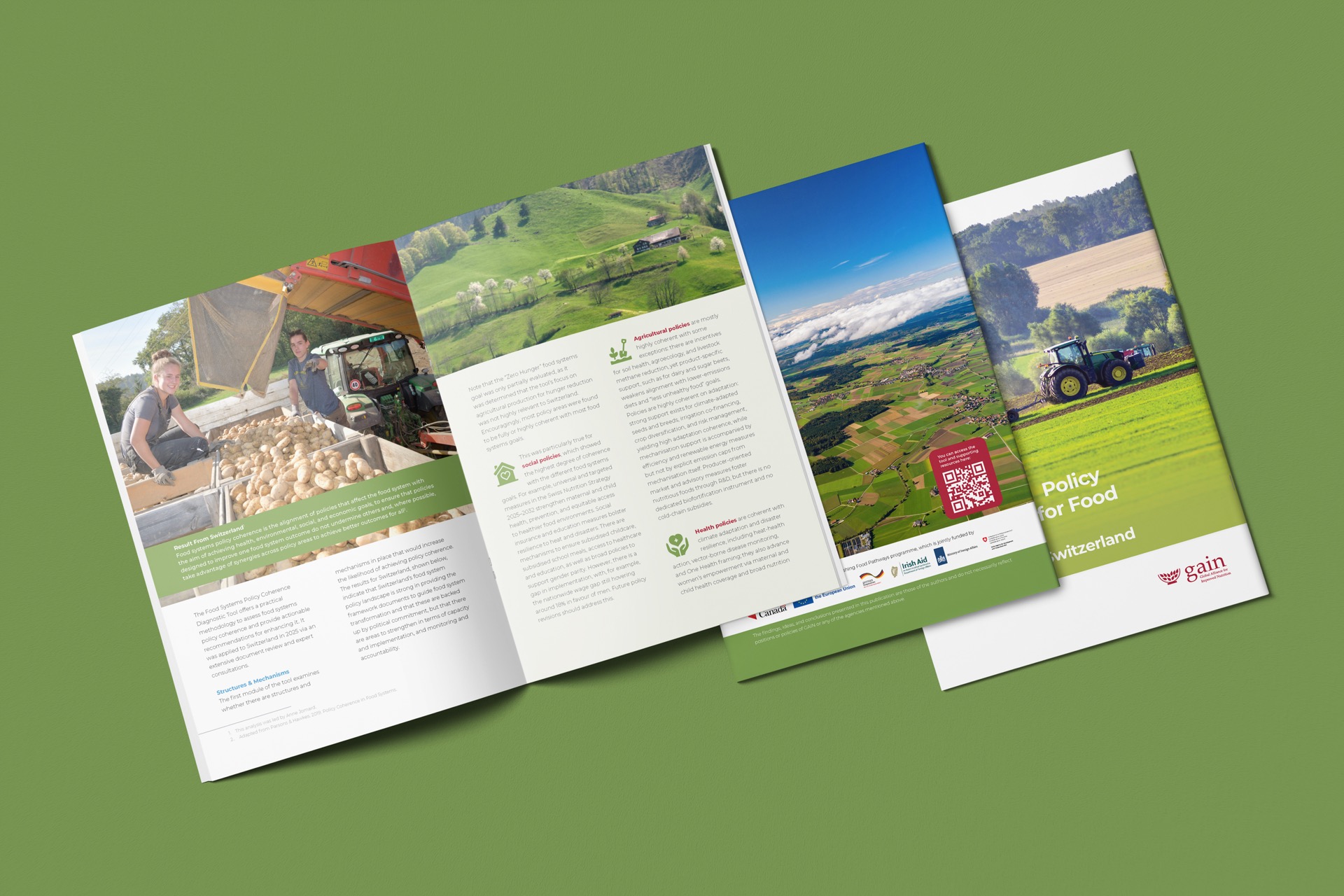
A template is useful because it removes decisions.
The title goes here. The image goes there. The body copy fits inside this space. The next document starts from the same structure instead of a blank page.
That works well when the content arriving each time is reasonably predictable.
The problem starts when the content changes but the layout is expected not to.
A longer report gets squeezed into a structure designed for a shorter one. A table needs more room than the template allows. One section needs three levels of hierarchy while another needs only one. A page with very little content gets stretched simply because every page is expected to look the same.
At that point, the team is no longer using the template. It is repeatedly finding ways around it.
A template repeats a layout
Templates are good at controlling recurring placement.
They can define where a title sits, where a logo appears, how a standard page begins, and how common content blocks are arranged.
For material that genuinely repeats, that is often enough.
A regular one-page update, a social graphic with the same amount of information each week, or a simple internal document may not need anything more complicated.
But every template contains an assumption: the next piece of content will behave enough like the previous one to fit.
When that assumption stops being true, the template becomes restrictive.
A system repeats the decisions
A design system works at a different level.
Instead of deciding that every page must use the same layout, it defines the rules that should make different layouts feel related.
Those rules can cover things such as:
- typography and hierarchy
- spacing
- colour usage
- recurring components
- table treatment
- image treatment
- page structure
- how different types of information are prioritised
The important distinction is that the layout can change without the visual language changing.
A page dominated by a table does not need to imitate a page dominated by a photograph. A short introduction does not need to occupy the same amount of space as a detailed technical section.
The system provides enough structure for both to belong together.
Consistency does not mean identical
This is where templates are often asked to do too much.
Consistency is sometimes interpreted as repetition: same composition, same proportions, same blocks, same treatment every time.
But different content can require different emphasis.
The more useful question is:
Which decisions need to remain consistent, and which decisions need to respond to the content?
Typography may remain consistent while page structure changes.
Colour rules may remain consistent while the amount of colour changes.
Spacing principles may remain consistent while individual sections need more or less room.
A recognisable system comes from repeating the right decisions, not forcing every piece of communication into the same shape.
The signs that a template is becoming the problem
A template may have reached its limit when people regularly have to:
- reduce type simply to make content fit
- remove useful information because there is no room for it
- create unofficial page variations
- copy pages from other documents because the official template cannot handle the content
- ignore established hierarchy because a new content type was never considered
- create more and more exceptions to the original rules
One exception is normal.
A growing collection of exceptions is usually a sign that the underlying system needs more thought.
When a template is still the right answer
Not every recurring piece of communication needs a full design system.
A good template is often the simplest and most practical solution when:
- the content structure is stable
- the amount of information is predictable
- only a small number of people use it
- there are few content types
- the material is unlikely to evolve significantly
More flexibility is not automatically better.
The objective is not to make every design system complex. It is to give the content enough room to do its job without making every new document a design problem.
The useful question to ask
If your team keeps breaking the template in order to communicate properly, ask why.
The answer may be poor discipline.
But it may also be that the template was designed for one type of content and is now being expected to handle several.
At that point, designing another template may only postpone the problem.
The better move is to define the visual rules underneath the layouts, then allow individual pieces to respond to the information they actually contain. I apply these principles to the communication materials I design, including proposals, reports and templates.
Related work: GAIN.