
Turning complex policy research across 10+ countries into a clear and consistent publication system.
Overview
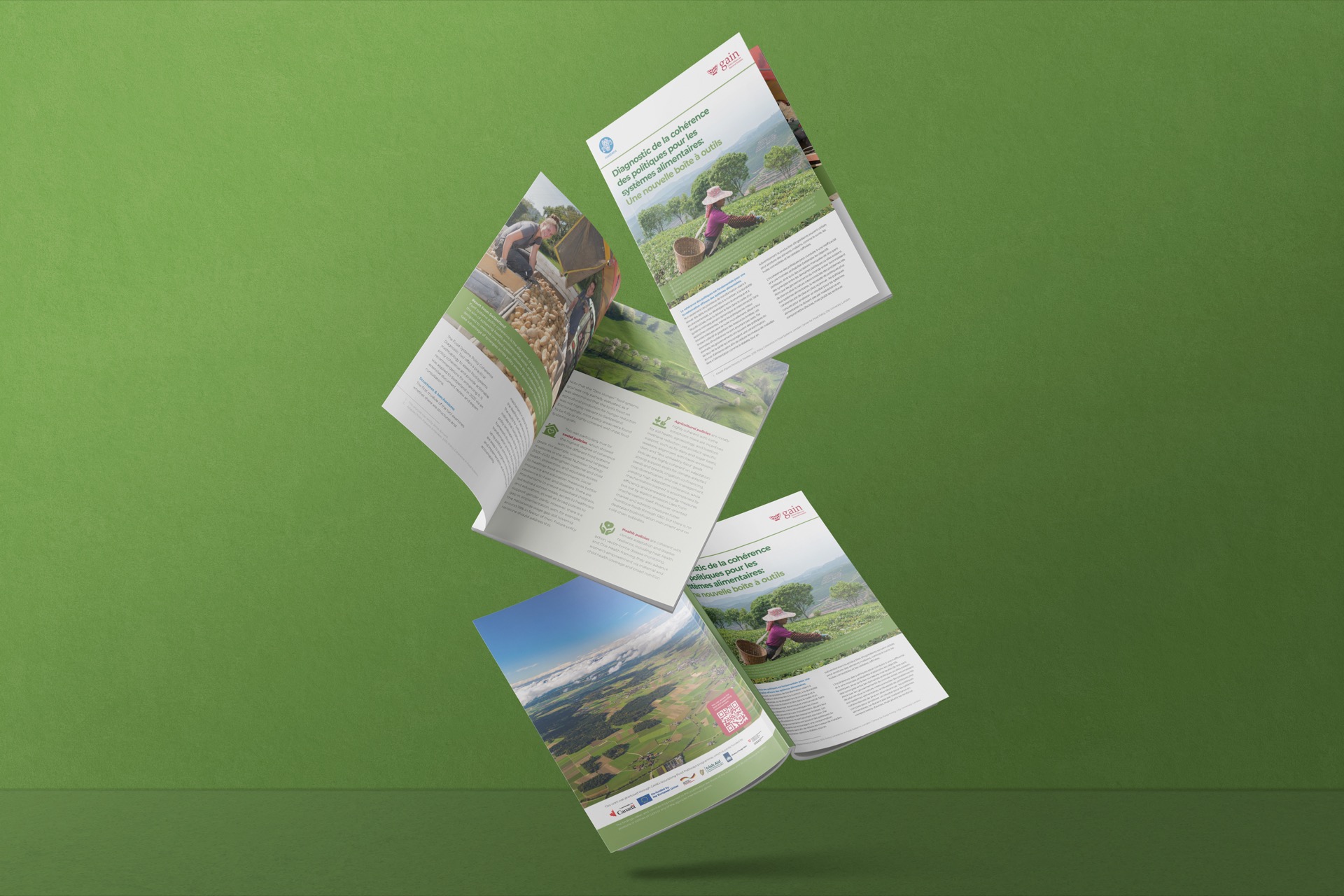
I partnered with the Global Alliance for Improved Nutrition to design a series of technical publications supporting its Food Systems Policy Coherence Diagnostic Tool. The project spanned more than 10 countries, each with different research findings, policy environments, content volumes, and visual requirements.
I developed a repeatable editorial framework that established consistent typography, page structures, colour usage, tables, icons and information hierarchy across the full publication series.
- Client
- Global Alliance for Improved Nutrition
- Year
- 2024
- Role
- Publication Designer
- Services
- Editorial Design, Publication Systems, Information Hierarchy, Data Tables, Iconography, Document Formatting, Print-Ready Production
Challenge
GAIN needed a publication system capable of presenting complex policy research across more than 10 countries without making every document feel identical or disconnected.
Approach
I developed a repeatable editorial framework that established consistent typography, page structures, colour usage, tables, icons and information hierarchy across the full publication series.
Outcome
The final system gave GAIN a scalable publication framework that could support technical research across more than 10 countries with a shared visual identity and clear information hierarchy.
Deliverables
Consistent covers, modular editorial layouts, colour-coded ratings, comparative tables and matrices, custom icons, structured recommendations, and print-ready and digital publication formats.
The challenge.
The project was not simply about designing a report.
GAIN needed a publication system capable of presenting complex policy research across more than 10 countries without making every document feel identical or disconnected.
Each country publication contained different amounts of research, findings, tables, recommendations and supporting evidence. The design therefore needed to be structured enough to maintain consistency, but flexible enough to respond to the unique content of each country.
The core challenge was balancing three competing needs: consistency across the full publication series, flexibility for country-specific content, and clarity for technical and non-technical readers.
Built around how it works.
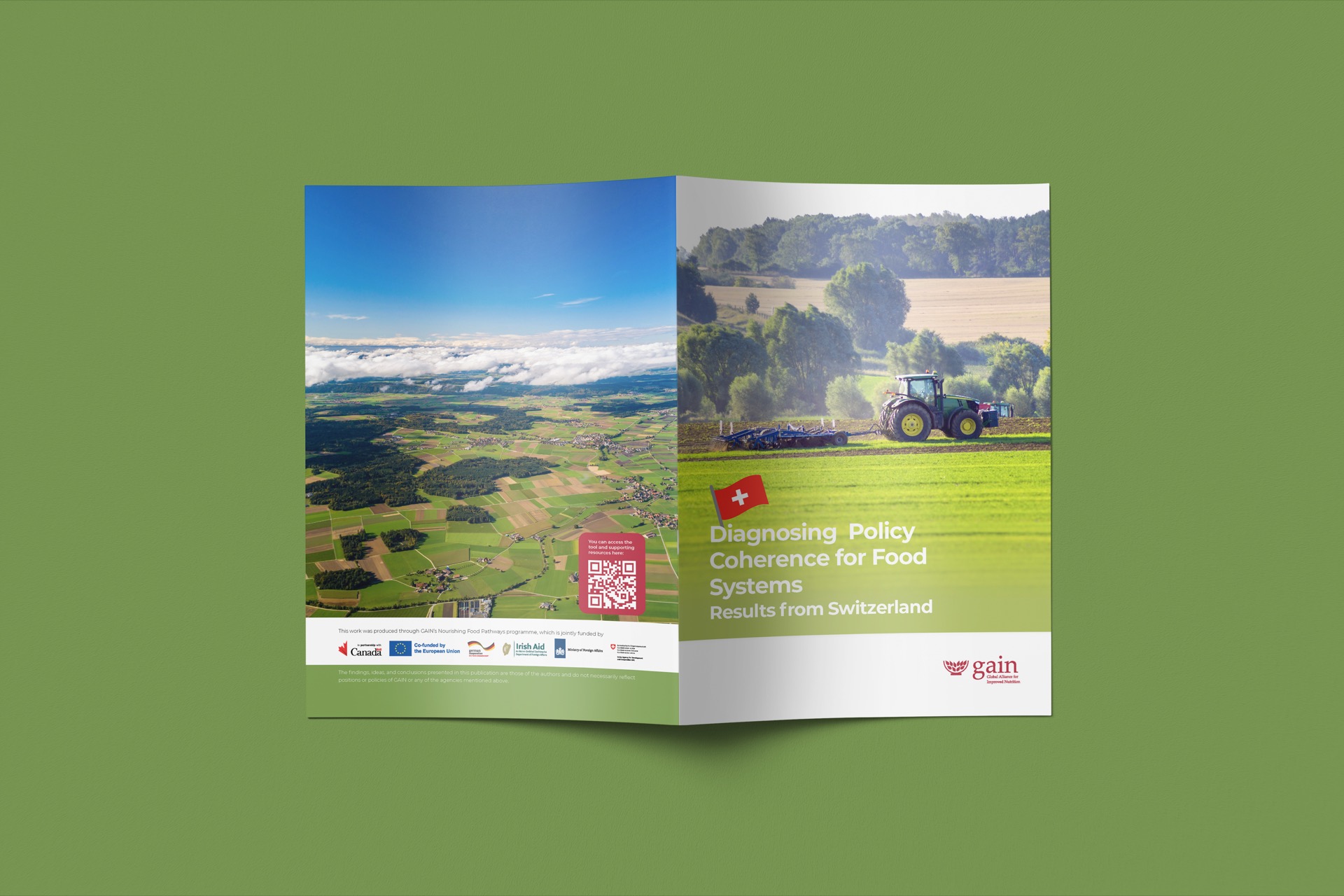
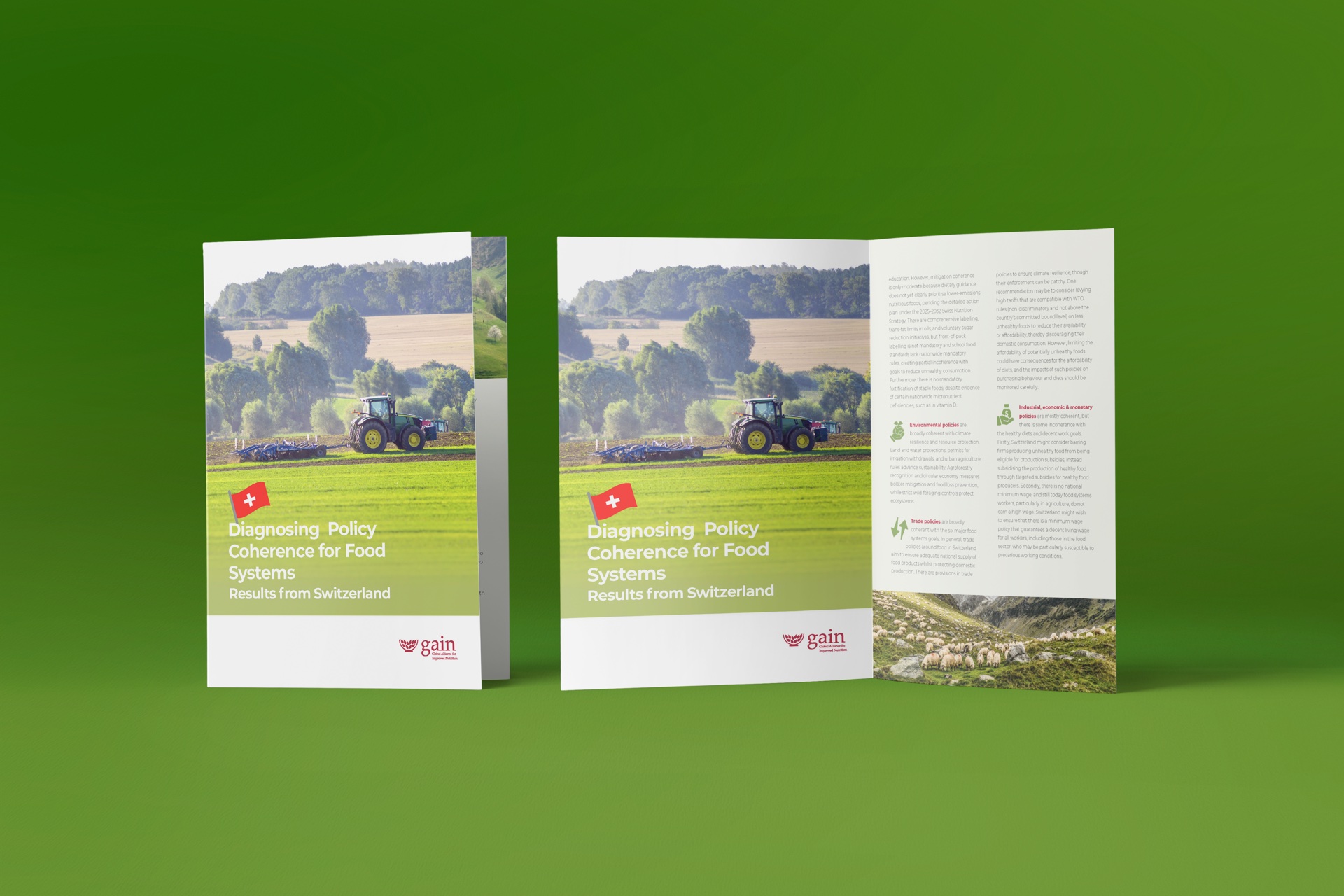
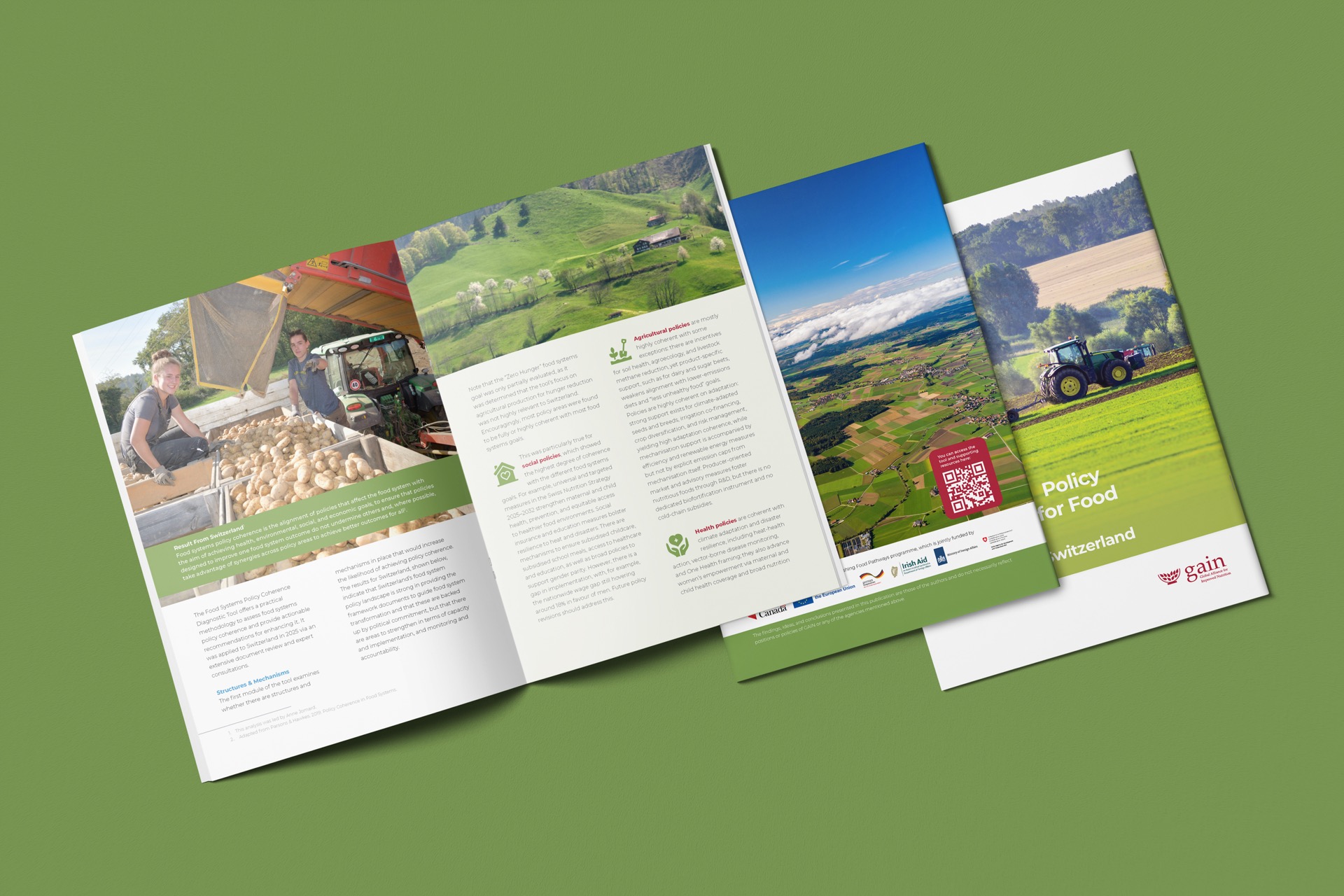
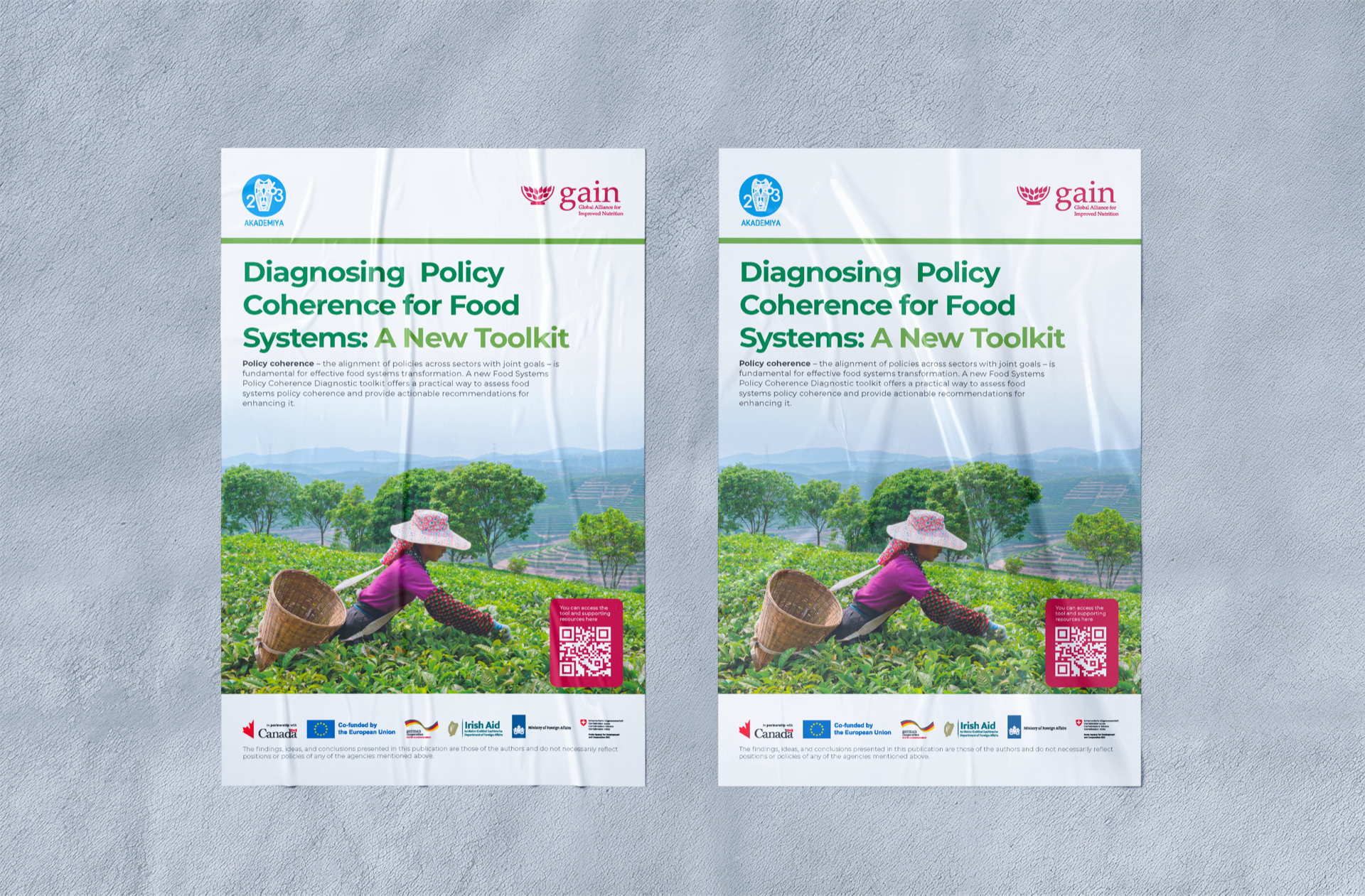
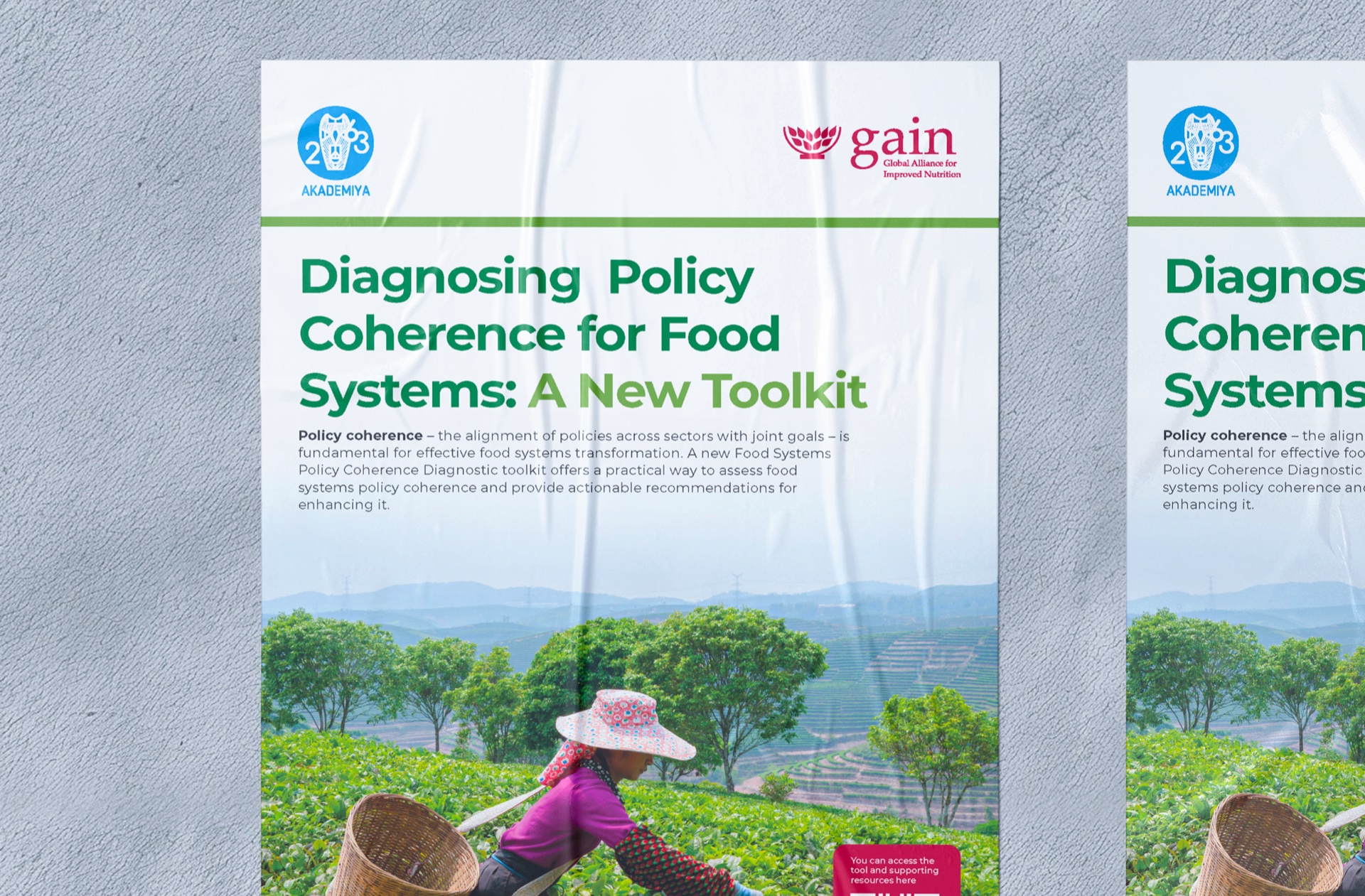
I developed a repeatable editorial framework that established consistent typography, page structures, colour usage, tables, icons, image treatments and information hierarchy across the publication series.
The system allowed each country report to maintain its own identity through relevant photography, local context and country-specific findings, while still feeling connected to the wider GAIN programme.
The source documents varied significantly in length and complexity. Rather than forcing all content into a rigid template, I adjusted layouts according to the amount and type of information on each page. This included redesigning sections when necessary to maintain legibility, especially where dense text, large tables or detailed recommendations could not fit comfortably within the original structure.
Long sections of technical analysis were transformed into structured tables, visual summaries, rating systems, icons and clearly separated content blocks. This made it easier for readers to compare findings, understand relationships between policy areas and identify key strengths, gaps and recommendations.
What I built.
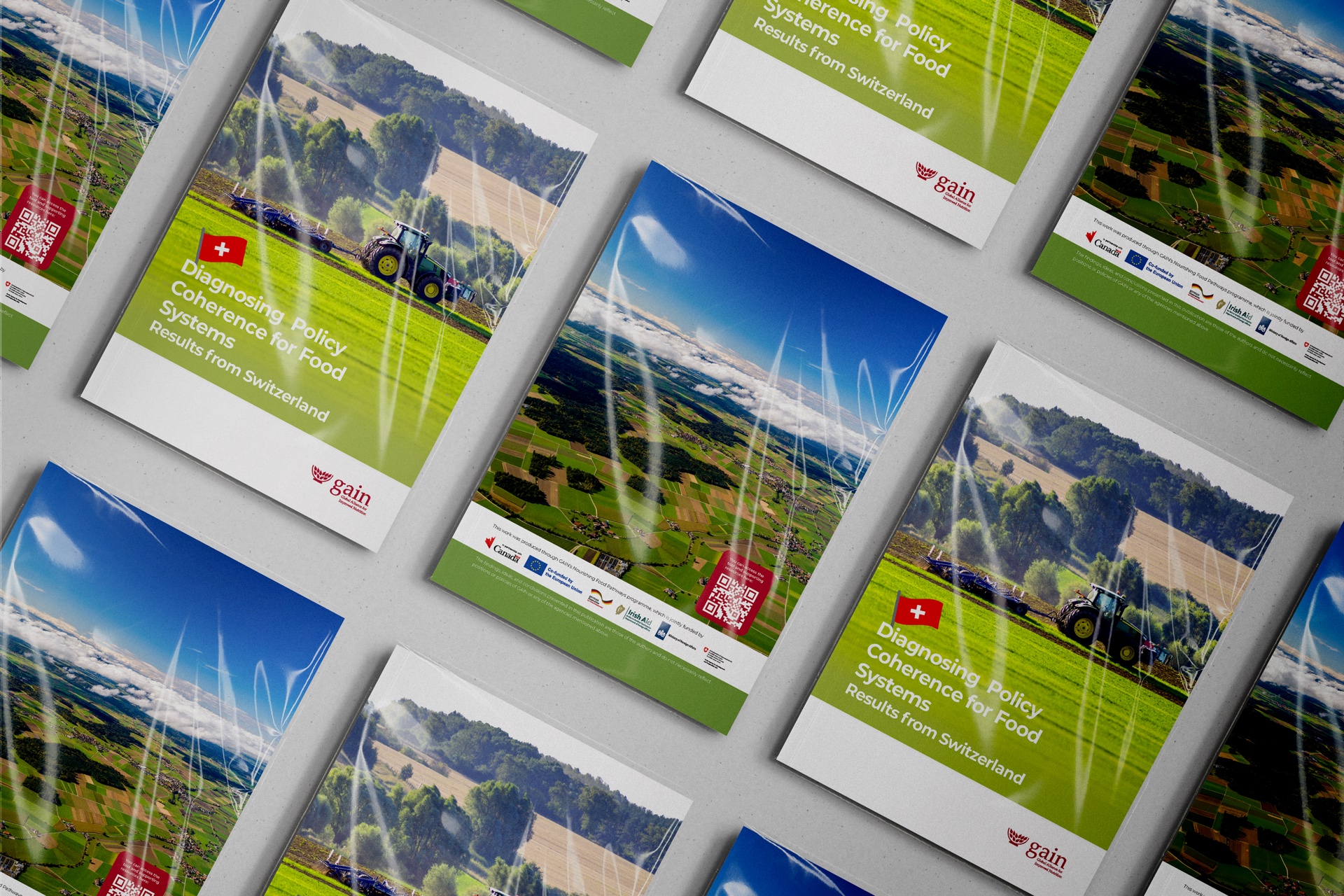
- Consistent covers and introductory pages across every country publication
- Modular editorial layouts designed to flex for different content volumes
- Country-specific photography to give each report its own context
- Standardised section structures for findings, recommendations and evidence
- Colour-coded policy coherence ratings for quick visual scanning
- Comparative tables and analytical matrices for cross-country reading
- Custom icons for policy areas and food system goals
- Consistent references, footnotes and legends throughout
- Print-ready and digital publication formats
- Content review and layout adaptation across 10+ country publications
This kind of engagement starts with publication design.
The work in detail.
The foundations.
In publication design, the smallest decisions shape how credible and navigable the work feels. For GAIN, every detail was built around clarity first.
Typography System
A clear typographic hierarchy improved readability across dense policy documents and multi-country reports.
Colour and Contrast
Considered colour use made data easier to scan, compare and trust at a glance.
Modular Layouts
Consistent structure brought order to complex content while remaining flexible for country-specific variation.
The results.
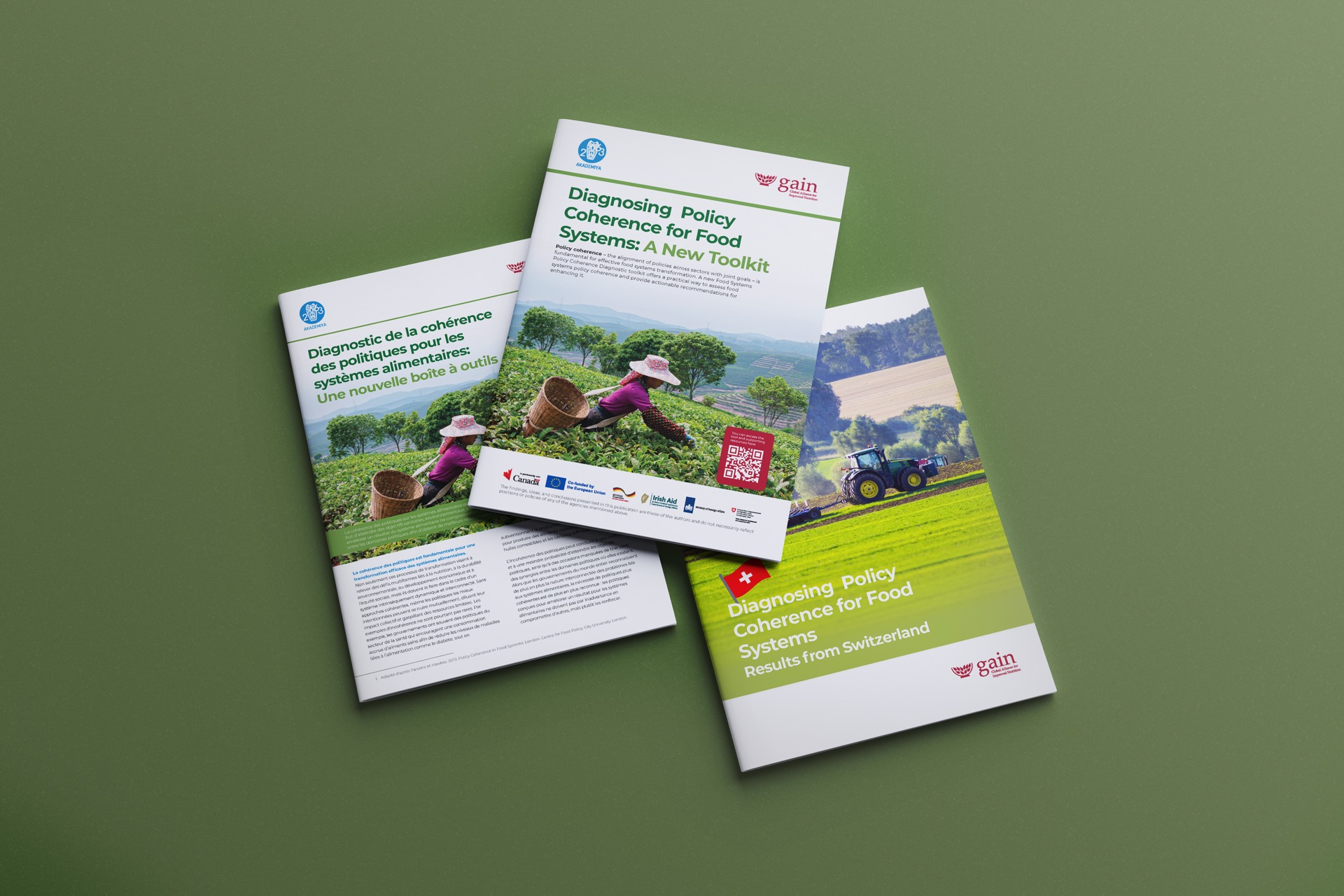
Instead of producing a collection of unrelated reports, the project created a consistent body of publications with a shared visual identity, clear information hierarchy and enough flexibility to represent each country accurately.
One Scalable System
A single publication framework could support technical research across more than 10 countries without repeating the same rigid template.
Consistent but Flexible
Every report felt part of one global programme while still being specific to its country, policy context and findings.
Clearer Information Hierarchy
Dense policy analysis became structured and navigable for policymakers, researchers and development partners.
Credible at Every Level
The system helped complex research feel more organised, easier to read and more professionally presented.
What I learned.
Systems think beyond single documents
A publication system for 10+ countries required thinking about structure before aesthetics, and consistency before creativity.
Content variation is the design brief
Managing different volumes of research, tables, recommendations and evidence across countries meant the template had to guide without constraining.
Clarity serves all readers
Turning dense policy analysis into structured, navigable content made the research more usable for both technical and non-technical audiences.
Have a project in mind?
Start with a clear conversation about what your brand needs to communicate better.